
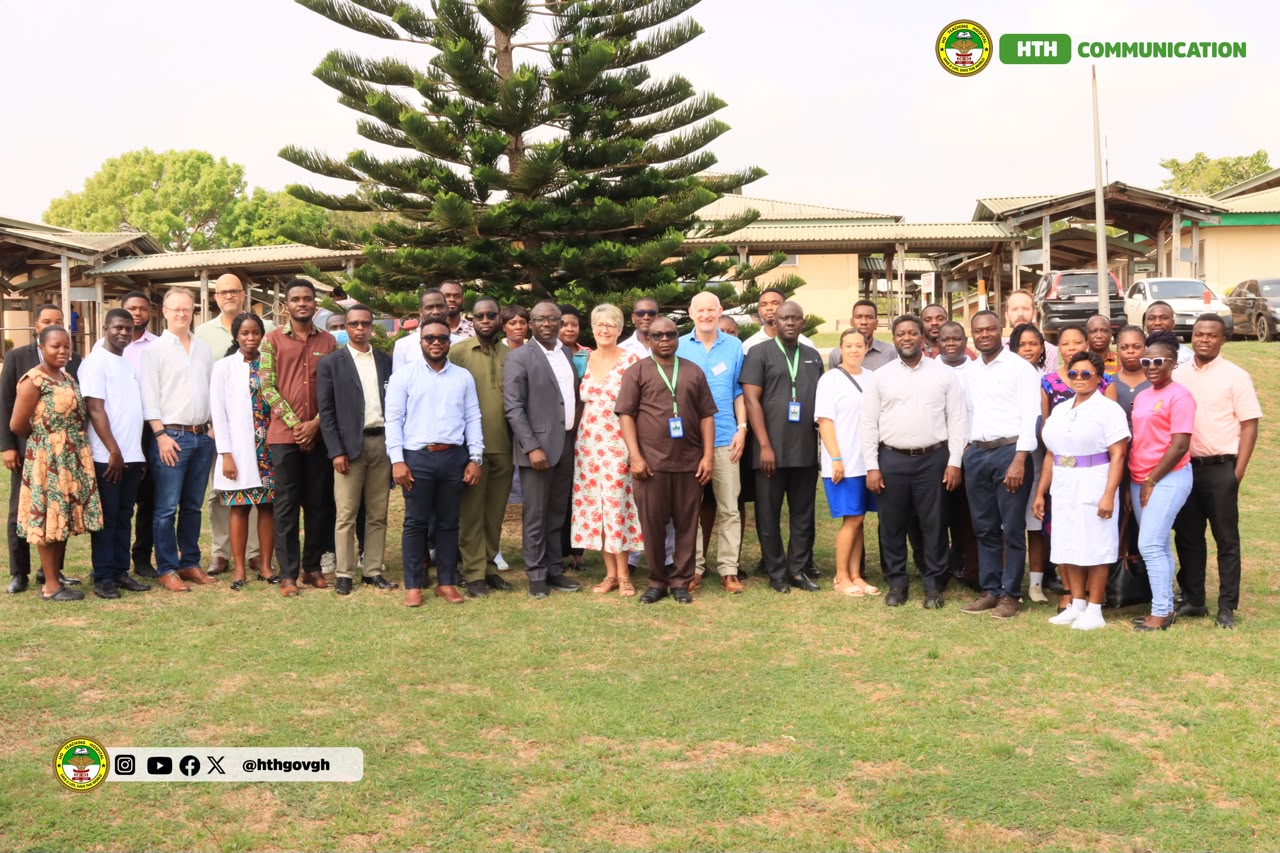
The Ho Teaching Hospital (HTH) has commenced a five-day hands-on specialist training programme under the Ghana Endoscopy Project in collaboration with international experts from the United Kingdom (UK) as part of efforts to strengthen the Hospital’s capacity to provide advanced diagnostic and therapeutic endoscopic services. The programme, running from 23 November to 27 November, 2026, (Monday to Friday) brings together a delegation from the Ghana Endoscopy Project and UK-based specialists to train selected doctors and nurses of the Hospital in the practical skills, clinical protocols and technical competencies required to establish and sustainably operate an effective endoscopy service. The training is designed to go beyond knowledge-sharing, with participants undertaking practical, hands-on sessions to develop the confidence and expertise needed to independently deliver safe, high-quality endoscopic care.
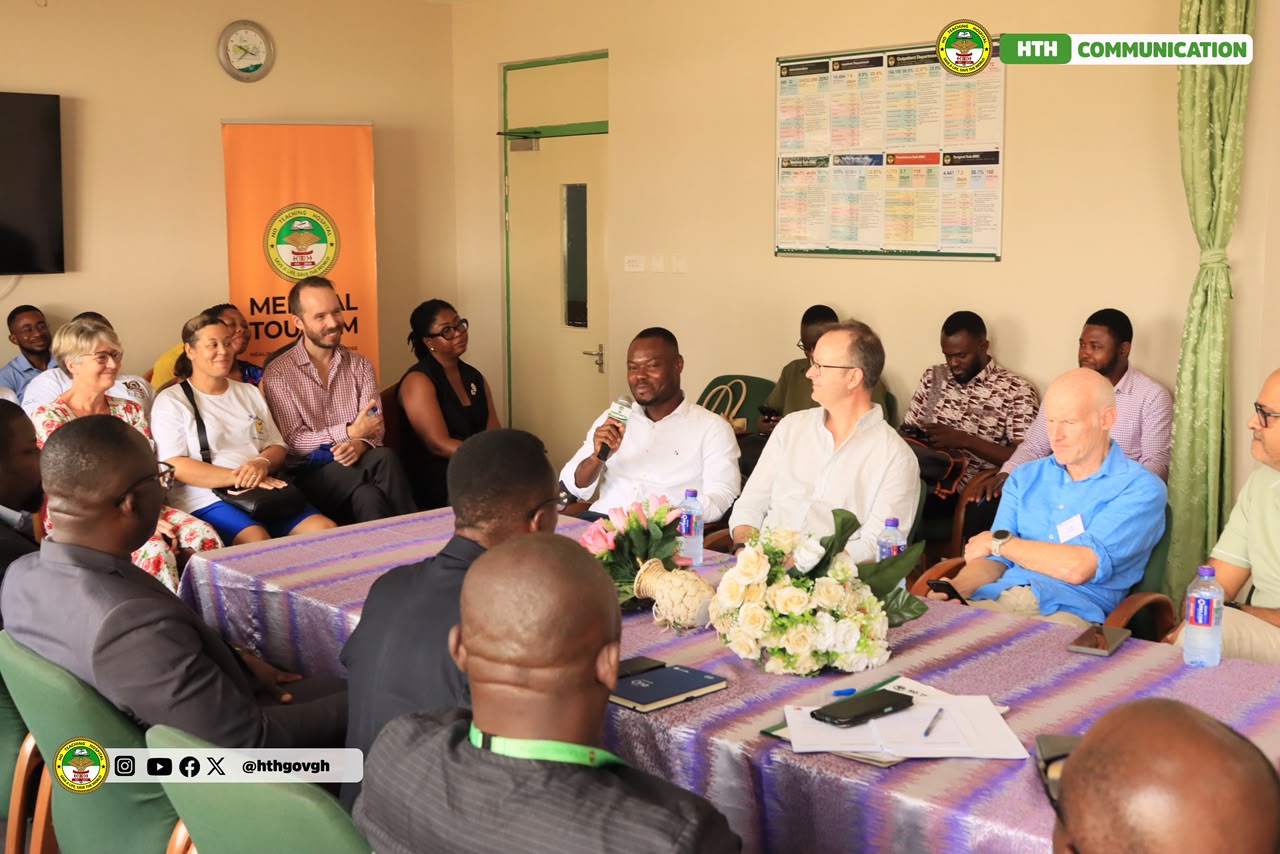
Welcoming the delegation on behalf of Management of the Hospital, the Director of Medical Services, Dr. Emmanuel Kasu, underscored the importance of expanding endoscopic services to improve access to specialised healthcare in the Volta Region and beyond. He noted that the initiative would equip the Hospital with the requisite skills, systems and professional confidence to diagnose and manage relevant medical conditions locally, safely and independently, long after the international experts had completed their engagement. Dr. Kasu observed that strengthening endoscopic services would facilitate faster and more accurate diagnosis, reduce the need for patients to travel outside the region to access specialised care, promote less invasive treatment options and enhance the clinical competencies of doctors and nurses. He described the project as an important investment in the Hospital's long-term capacity to deliver specialised healthcare services and improve patient outcomes.
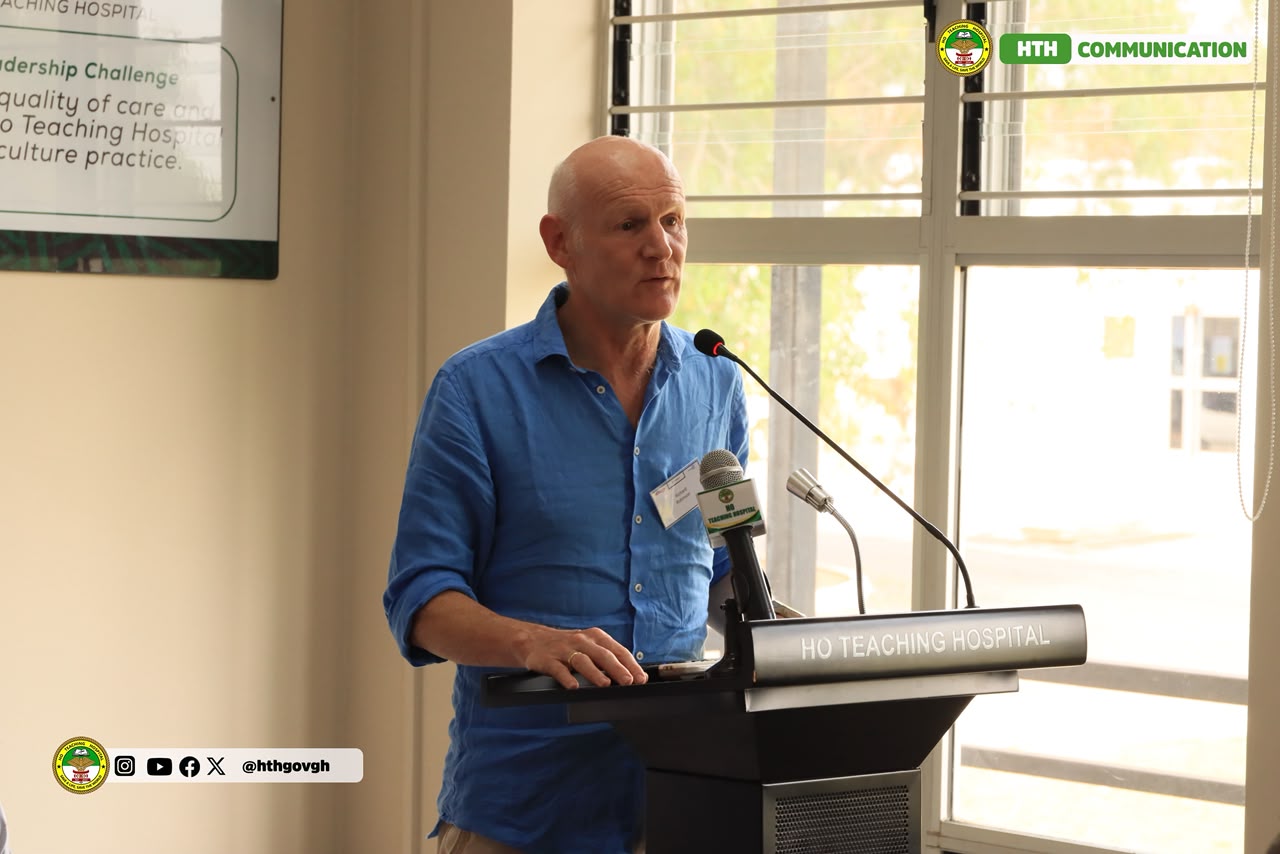
The Team Lead, Richard Robinson, a Consultant Gastroenterologist, explained that the ultimate objective of the project was to build local capacity and ensure that medical professionals at Ho Teaching Hospital could confidently and independently provide endoscopy services to internationally recognised standards. He emphasised that the project was not simply about conducting procedures during the training period but about establishing a sustainable service that would continue to function effectively after the departure of the UK team. According to him, that would involve developing clear procedural guidelines, standardising patient care before, during and after endoscopic procedures, ensuring the safe handling and cleaning of equipment, and strengthening collaboration between doctors and nurses. He stressed that those essential components would help establish a reliable and sustainable endoscopy service anchored in patient safety, professional competence and teamwork.
Endoscopy is a minimally invasive medical procedure that enables healthcare professionals to examine the inside of the body using a specialised instrument known as an endoscope. The instrument is typically a long, thin, flexible tube fitted with a camera and light source, which transmits real-time images to a monitor. Depending on the area being examined, the endoscope may be introduced through natural body openings, such as the mouth or anus, or through a small incision. The procedure enables doctors to identify abnormalities, investigate symptoms, obtain tissue samples where necessary and, in certain cases, perform therapeutic interventions without resorting to major surgery. Endoscopy plays an important role in the diagnosis and management of several gastrointestinal conditions, including ulcers, gastrointestinal bleeding, inflammation, abnormal growths and certain cancers.
HTH: SAVE A LIFE, SAVE THE WORLD #HoTeachingHospital #voltaregion